Orphanages in Leiden
At the turn of the 20th century, my grandfather (on my mother's side) was brought up in a 'weeshuis' in Leiden. After his mother died, he and a brother and a sister were looked after there until he was around 18 years old.
That was all I knew until I started a little research, as you do. I included what I knew of his time there in my book Crossed Keys and Coffee Spoons. The orphan's chronicle felt a little thin. I wanted to know more.
In December 2025, my cousin Hanneke suggested a visit to the Utopa Weeshuis, a former orphanage on the Kerkgracht. This seemed an exciting extension to my visit to Leiden.
As it turns out, the exhibition is definitely a worthwhile visit. We were 8 of us and got a personally-guided tour (thanks to our tour guide!) of a building now dedicated to hosting charitable organisations whose mission includes working with or for children. In the Regents Room we reflected on, and smiled at, the sexism and class consciousness underpinning the work of the regents and their wives in the 19th and early 20th centuries (the women were dedicated to looking after the daily housekeeping matters in the running of a large orphanage, while the men did the 'important' work). The beautiful Regents Room still exists, relatively undisturbed, in its upper-floor position. I could at least admire the benevolence of a society that cared about the welfare of children. All to the social good, then.
Nevertheless, something wasn't quite clicking for me. It's two years since I wrote the chapter chronicling my grandfather's upbringing as a 'weeskind', an orphan, or half-orphan, child. What religious affiliation did this orphanage have? Although the children had religious instruction, it seems, it wasn't strictly affiliated. Were there other orphanages in Leiden, then?
Yes, as it turns out.
The Roman Catholic one wasn't this one, but there used to be another nearby. Ahh!
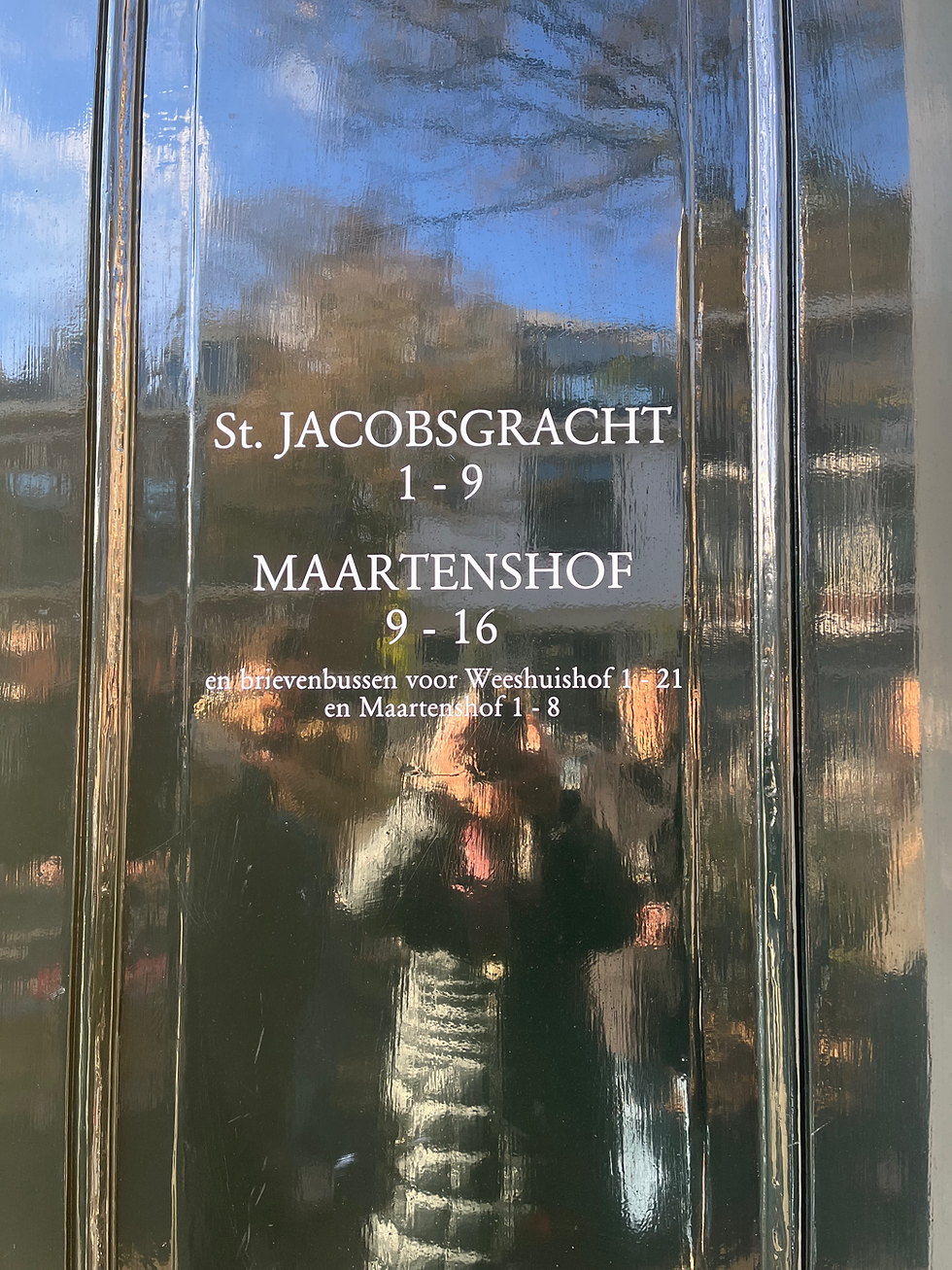
Still, how much difference protestantism or catholicism may have made to the actual experience is debatable. As far as I know, my Opa never shared his experience with his grandchildren. I must only imagine, from the discipline in his life, the scars of daily regimens that might regularly have included humiliation and corporal punishment. The exhibition offered sympathy for the harsh discipline orphaned children once had to endure.
I knew Opa from only his brief visit to New Zealand. I was only 8 years old, he in his retirement years. He seemed to me to be a gentle, cigar-smoking man of few words and admirable woodworking skills, learned as part of his upbringing in a weeshuis many thousands of miles away, skills turned to good use during his stay with us.

But I have since found a reference to my great-grandfather's role (on my father's side) as a regent of a Roman Catholic weeshuis. It must have been this one. If there's a Regents Room here, we didn't see it.


Comments